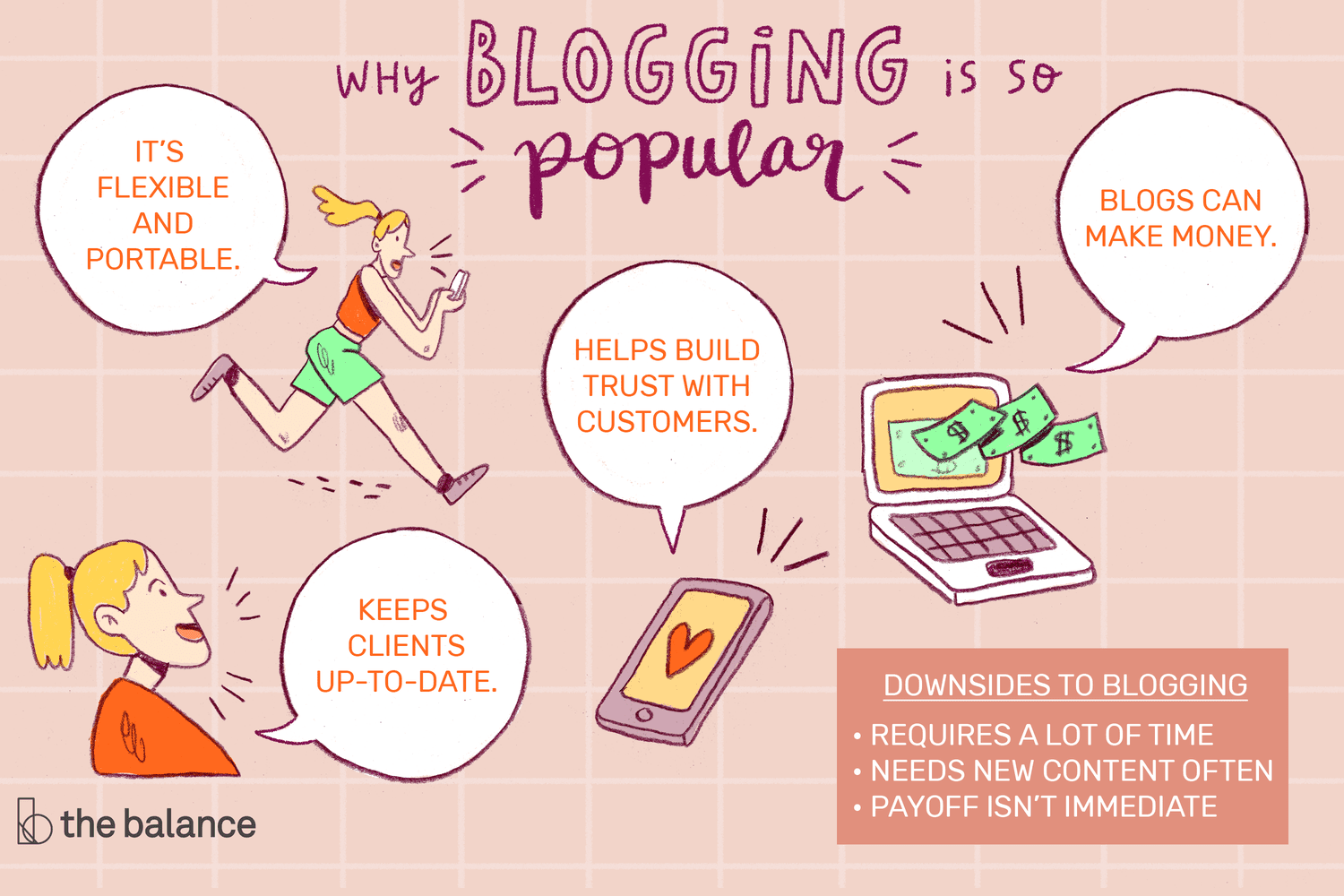
 by Ashikur Rahman
Blog
by Ashikur Rahman
Blog
What Is Blogging: A Beginner’s Guide to Online Success
Blogging is writing and publishing content online. It involves sharing ideas, stories, or information on a website.
Blogging has become very popular. Many people start blogs to share their passions. They write about various topics like travel, food, fashion, and more. For some, blogging is a hobby. Others make it their full-time job. Blogs connect people. Readers find information and inspiration.
Writers express themselves and reach a wide audience. Blogging also offers a platform for businesses. They use it to engage with customers and build their brand. With easy-to-use tools, anyone can start a blog. Whether you want to share personal stories or promote your business, blogging has endless possibilities. So, what exactly does it take to start a blog? Let’s explore.
Introduction To Blogging
Blogging is a popular way to share ideas and information. People write blogs to connect with others and express themselves. It has become an important part of the internet.
Blogs can cover many topics. From personal stories to professional advice. They are a great tool for communication.
What Is Blogging?
Blogging is the act of writing and publishing posts online. These posts are called blog posts. Bloggers share their thoughts, experiences, and knowledge. Each blog post can include text, images, videos, and links.
Blogs are usually updated regularly. This keeps readers engaged and coming back for more. Blogging is a way to build a community around a shared interest.
History Of Blogging
Blogging started in the late 1990s. It began as online diaries where people shared their daily lives. The first blogs were simple and personal.
In the early 2000s, blogging platforms like Blogger and WordPress emerged. These platforms made it easy for anyone to start a blog. Blogging became more popular and diverse.
Today, blogging is a professional activity for many. Bloggers write about fashion, food, travel, technology, and more. Blogs have become a key part of the internet.
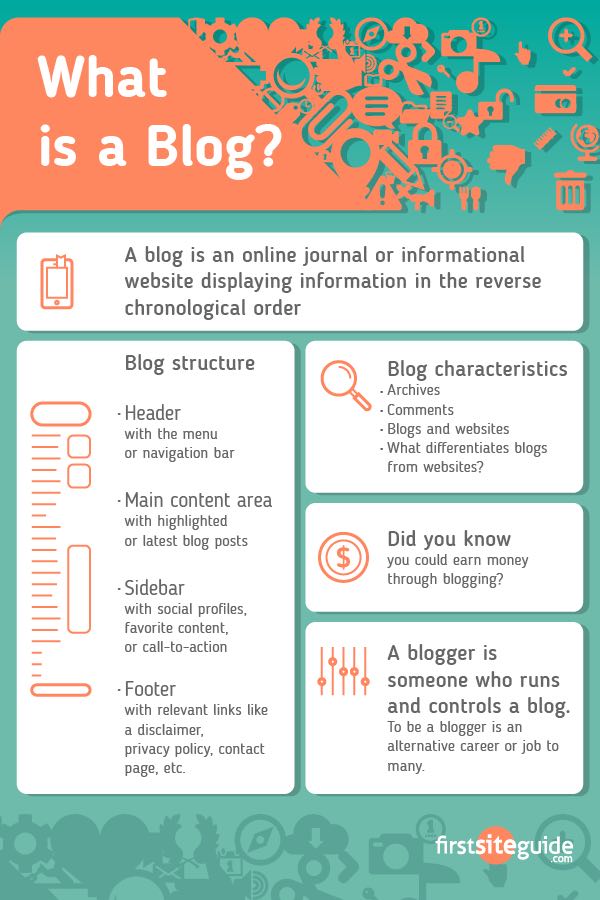
Credit: firstsiteguide.com
Benefits Of Blogging
Blogging offers many benefits. It helps you express your thoughts. It also allows you to reach a wider audience. Let’s explore the main benefits of blogging.
Building An Online Presence
Blogging helps build an online presence. It allows you to share your expertise. Your blog can become a trusted source of information. This increases your visibility online. People start recognizing your brand. They trust your content more. Blogging also helps with search engine rankings. More blog posts mean more chances to appear in search results. This attracts more visitors to your site.
Monetizing Your Blog
Blogging can be a source of income. You can earn money through ads. Google AdSense is a popular option. You can also try affiliate marketing. Promote products and earn a commission. Sell your own products or services. Offer online courses or eBooks. Blogging opens many ways to earn. You can also get sponsorships. Brands pay you to write about them. This can be very profitable.
Choosing A Blogging Platform
Choosing the right blogging platform is crucial for your blog’s success. It can affect your blog’s design, functionality, and growth potential. Let’s dive into some popular options and key factors to consider.
Popular Blogging Platforms
Here are some well-known blogging platforms:
- WordPress.org – Offers full control, flexibility, and a wide range of plugins.
- Blogger – User-friendly with seamless integration with Google services.
- Wix – Drag-and-drop website builder with blogging capabilities.
- Squarespace – Known for beautiful templates and easy-to-use interface.
- Medium – Simple platform focused on writing and content sharing.
Factors To Consider
When choosing a blogging platform, consider these factors:
| Factor | Description |
|---|---|
| Ease of Use | Choose a platform that is easy to navigate and use. |
| Cost | Consider any upfront costs or ongoing fees. |
| Customization | Ensure the platform allows you to customize your blog’s look. |
| Support | Look for platforms with good customer support and resources. |
| SEO Features | Check if the platform offers tools to optimize your content for search engines. |
Setting Up Your Blog
Setting up your blog is the first step in your blogging journey. It involves selecting the right domain, choosing a reliable hosting provider, and designing your blog to match your brand.
Domain And Hosting
Choosing a domain name is crucial. Your domain should be unique and easy to remember. It reflects your blog’s identity. Here are some tips for selecting a domain:
- Keep it short and simple.
- Avoid numbers and hyphens.
- Choose a .com extension if possible.
Once you have your domain, you need a hosting provider. Hosting is where your blog lives on the internet. There are many hosting providers, but here are some popular ones:
| Hosting Provider | Features |
|---|---|
| Bluehost | Free domain, 24/7 support, 1-click WordPress install |
| SiteGround | High speed, security features, excellent customer service |
| HostGator | Affordable plans, easy to use, good uptime |
Design And Themes
Designing your blog is an exciting step. A good design attracts readers and makes navigation easy. WordPress offers many themes to choose from. Here are some points to consider:
- Choose a responsive theme. It should work on all devices.
- Ensure the theme is customizable. You will want to add your personal touch.
- Look for a theme with good reviews and support.
Some popular WordPress themes are:
- Astra
- OceanWP
- Divi
Install your chosen theme and customize it. Add your logo, choose your colors, and set up your menu. A clean, professional design can help engage your audience and keep them coming back.
Creating Content
Creating engaging content is the heart of blogging. It is what attracts readers and keeps them coming back. Let’s dive into the essentials of creating content for your blog.
Types Of Blog Posts
Blog posts come in various formats. Choosing the right type can make your content more engaging.
- How-To Guides: Step-by-step instructions to help readers achieve a goal.
- Listicles: Lists of tips, tools, or resources. Easy to read and share.
- Interviews: Conversations with experts in your field. Adds credibility.
- Personal Stories: Share your experiences. Connect on a personal level.
- Reviews: Evaluate products or services. Help readers make decisions.
- Case Studies: Detailed analysis of a project or event. Shows your expertise.
Content Planning
Planning your content ensures consistency and quality. It helps you stay organized and focused.
- Set Goals: Define what you want to achieve with each post.
- Research Topics: Find relevant and trending topics in your niche.
- Create an Editorial Calendar: Schedule your posts to maintain a regular posting frequency.
- Outline Your Posts: Plan the structure and main points of your posts.
- Use Keywords: Incorporate SEO keywords naturally to improve search visibility.
Here’s a simple table to help you with content planning:
| Date | Topic | Type | Keywords |
|---|---|---|---|
| Jan 1 | Blogging Tips | How-To Guide | blogging tips, how to blog |
| Jan 8 | Top 10 Plugins | Listicle | best plugins, WordPress plugins |
| Jan 15 | Expert Interview | Interview | blogging expert, interview |
Seo Basics For Bloggers
Understanding SEO is crucial for every blogger. It helps your blog rank higher on search engines. This means more readers and engagement. Let’s dive into two key areas: Keyword Research and On-Page SEO.
Keyword Research
Keyword research is the first step in SEO. It helps you find the terms people use to search for content. Use these keywords in your blog to attract readers.
Follow these steps to do keyword research:
- Identify your blog topic.
- Use tools like Google Keyword Planner or Ahrefs.
- Find keywords with good search volume and low competition.
Here is a simple table to illustrate good keyword metrics:
| Keyword | Search Volume | Competition |
|---|---|---|
| Blogging tips | 5,000 | Low |
| SEO for beginners | 3,000 | Medium |
On-page Seo
On-Page SEO means optimizing your blog’s content. This makes it easier for search engines to understand and rank your blog.
Here are some key aspects of On-Page SEO:
- Title Tags: Use your main keyword in the title.
- Meta Descriptions: Write a short, descriptive summary with the keyword.
- Headings: Use H1, H2, and H3 tags to structure your content.
- Content: Include keywords naturally in your text.
- Images: Add alt text with keywords to your images.
- Internal Links: Link to other relevant posts on your blog.
For example, if your main keyword is “blogging tips,” your title could be “Top Blogging Tips for Beginners.” In your meta description, include the keyword and a brief overview.
Promoting Your Blog
Promoting your blog is crucial to attract readers. Effective promotion strategies can help your blog grow. Let’s explore some ways to promote your blog.
Social Media Strategies
Social media platforms are powerful tools. They can drive traffic to your blog. Here are some strategies:
- Share regularly: Post your blog links often. Keep your audience engaged.
- Use images: Visual content grabs attention. Add images to your posts.
- Engage with followers: Respond to comments. Build a community.
- Join groups: Participate in relevant groups. Share your content there.
Email Marketing
Email marketing is another effective method. It helps you reach your audience directly. Here’s how to use it:
- Build a list: Collect email addresses. Use a sign-up form on your blog.
- Send newsletters: Share updates and new posts. Keep your readers informed.
- Personalize emails: Address your readers by name. Make your emails feel personal.
- Offer incentives: Give free resources. Encourage sign-ups.
By using these strategies, you can increase your blog’s visibility. Start promoting your blog today!
Engaging With Your Audience
Engaging with your audience is key to a successful blog. Interaction builds trust and loyalty. Your readers feel valued and more connected to your content. This connection encourages them to return and participate actively.
Responding To Comments
Responding to comments shows that you care about your readers. It is an essential part of engaging with your audience. Answer questions, thank them for their input, and address concerns. This interaction makes your blog more dynamic.
Keep responses friendly and professional. Be polite, even if a comment is negative. This positive approach can turn critics into loyal followers. Always aim to create a welcoming environment.
Building A Community
Building a community involves more than just responding to comments. Encourage readers to share their thoughts and experiences. This helps them feel part of a larger group.
Use social media to extend your reach. Share your blog posts and interact with followers. Ask questions and start discussions. A thriving community promotes your blog and attracts new readers.
Organize events or webinars to bring your community together. These gatherings offer more ways for engagement. They also provide valuable content for your audience.
Analyzing Blog Performance
Analyzing blog performance is crucial for understanding the success of your content. It helps you see what works and what doesn’t. This way, you can improve your blog and reach more readers. Let’s explore two key areas: tracking traffic and using analytics tools.
Tracking Traffic
Tracking traffic means monitoring how many people visit your blog. It’s important to know where your visitors come from. Are they finding you through search engines, social media, or direct visits? Understanding this helps you focus your efforts on the right channels.
There are various metrics to track. Page views show how many times a page on your blog is viewed. Unique visitors tell you how many different people visit your site. Bounce rate indicates the percentage of visitors who leave after viewing only one page. These metrics help you gauge your blog’s performance.
Using Analytics Tools
Analytics tools help you gather and analyze data from your blog. Google Analytics is one of the most popular tools. It provides detailed insights into your blog’s traffic and user behavior. You can see which pages are most popular and how long visitors stay on your site.
Other tools like SEMrush and Ahrefs also offer valuable data. They can help you track keywords, backlinks, and competitors. Using these tools, you can identify trends and make informed decisions to improve your blog’s performance.
In summary, tracking traffic and using analytics tools are essential for analyzing blog performance. They provide you with the data needed to grow and succeed.

Credit: www.youtube.com
Blogging Challenges And Solutions
Blogging can be both rewarding and challenging. Many bloggers face obstacles that can slow their progress. Understanding these challenges and finding solutions helps keep your blog on track. Let’s dive into some common blogging challenges and their solutions.
Common Blogging Mistakes
Many bloggers make simple mistakes that can hurt their progress. One common mistake is not having a clear niche. Without focus, your blog can appear scattered. Choose a specific topic to attract a loyal audience. Another mistake is inconsistent posting. Readers expect regular updates. Create a content calendar to stay organized.
Poor SEO practices can also be a major hurdle. Use keywords wisely and ensure your content is easy to read. Overlooking the importance of social media can limit your reach. Share your posts on different platforms to increase visibility.
Ignoring reader feedback is another mistake. Engage with your audience through comments and social media. This helps build a community around your blog.
Staying Motivated
Blogging requires time and effort. Many bloggers struggle with staying motivated. Setting clear goals can help you stay focused. Break down large tasks into smaller, manageable steps.
Celebrate small victories to keep your spirits high. Seeing progress, even in small amounts, can be very encouraging. Also, connect with other bloggers. Join blogging communities for support and inspiration.
Take breaks when needed to avoid burnout. Rest helps you return with fresh ideas and energy. Remember why you started blogging. Passion for your topic can reignite your motivation.
Future Of Blogging
The future of blogging looks bright and full of potential. With advancements in technology and changes in user behavior, blogging continues to evolve. Bloggers must stay updated with trends and adapt to new challenges. Let’s explore some key trends and ways to adapt to these changes.
Trends In Blogging
Blogging trends are constantly shifting. One key trend is the rise of video content. Many bloggers now use videos to engage their audience. Another trend is the use of SEO strategies. Bloggers focus on keyword optimization to improve search engine rankings. Interactive content is also becoming popular. Quizzes, polls, and infographics draw readers in and keep them engaged.
Adapting To Changes
Bloggers must adapt to stay relevant. One way to adapt is by embracing new technologies. Using tools like AI can help create better content. Another way is by understanding audience preferences. Conduct surveys to know what your readers want. Regularly update old content to keep it fresh and relevant. Collaborate with other bloggers to reach a wider audience.

Credit: www.techtarget.com
Frequently Asked Questions
What Is Blogging?
Blogging is the act of creating and publishing content on a blog. It involves writing articles, sharing information, and engaging with readers. Bloggers use various platforms to express thoughts, share expertise, or promote products.
Why Do People Blog?
People blog to share knowledge, express opinions, and connect with others. Blogging can also be a platform for personal branding, marketing, or earning money. It helps build an online presence and engage with a wider audience.
How Do You Start A Blog?
To start a blog, choose a niche and select a blogging platform. Register a domain name and set up hosting. Design your blog, create content, and promote it on social media and other platforms.
What Are The Benefits Of Blogging?
Blogging offers various benefits, including building authority, improving writing skills, and generating income. It also helps in networking, sharing ideas, and gaining a loyal audience. Additionally, blogging can boost SEO and drive website traffic.
Conclusion
Blogging offers endless opportunities for creativity and connection. It allows you to share thoughts, ideas, and knowledge with a global audience. Starting a blog can be simple and rewarding. Whether for fun or business, blogging brings many benefits. It’s a powerful tool to express yourself and reach others.
So, why wait? Begin your blogging journey today and see where it takes you. Happy blogging!


